Baby Lion 3D SVG: Shadow Box Papercut Review
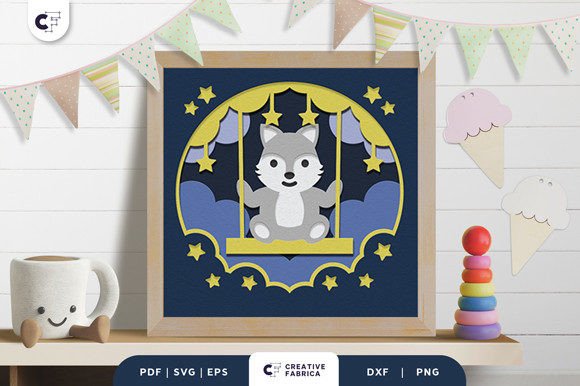
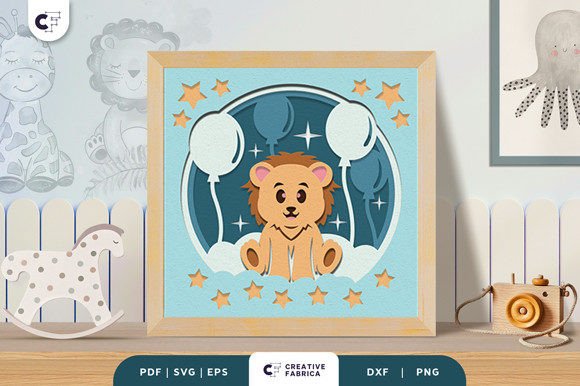
As a digital publisher and blog designer, I constantly evaluate graphic design assets not just for their aesthetic appeal, but for their functional utility in a real content marketing workflow. When I first opened the Baby Lion 3D Shadow Box Papercut file, my immediate assessment focused on its editorial versatility. This is not merely a cute illustration; it is a structured visual asset that communicates warmth, imagination, and tactile depth. The design features an adorable lion cub resting atop a fluffy cloud, surrounded by floating balloons, rendered in a layered paper-cut style. For publishers in the baby, parenting, or early education niches, this asset strikes a delicate balance between playful whimsy and professional polish. It avoids the amateurish look of generic clip art while retaining the handcrafted charm necessary to build emotional connections with readers.
Editorial Mood and Niche Alignment
The visual language of this 3D SVG creates an immediate sense of comfort and creativity. In web design, particularly for lifestyle and family-oriented blogs, establishing trust through visual tone is paramount. This shadow box design feels artisanal and intentional, suggesting that the content it accompanies is equally thoughtful. It naturally supports niches involving nursery decor, child development, creative parenting, and handmade crafts. Unlike flat vector art, the simulated depth of the papercut layers adds a premium texture to digital layouts. This texture is crucial for reducing bounce rates on content-heavy pages, as it provides a visual rest point that feels organic rather than corporate. For affiliate marketers promoting children’s products or educational toys, this asset signals a "safe" and imaginative environment, which can subtly enhance reader receptivity to product recommendations.
Strategic Applications in Content Publishing
In my publishing workflow, I need assets that perform across multiple formats without losing integrity. The Baby Lion 3D Shadow Box Papercut excels as a multi-format workhorse. As a featured image for blog posts about nursery themes or imaginative play, it provides a strong focal point that anchors the article. For Pinterest marketing, the vertical layering of the shadow box translates perfectly into pin graphics; the depth creates natural negative space for text overlays without obscuring the central character. I also see significant value in using this asset for digital products. It serves as an excellent cover element for printable activity packs, eBook guides on early childhood creativity, or lead magnets designed to grow an email list. When integrated into Canva templates for social media graphics, the distinct layers allow designers to adjust spacing or add personalized text elements between the clouds and the lion, offering customization that flat images cannot provide.
Enhancing Visual Hierarchy and Click-Through Rates
Visual hierarchy dictates how users consume content, and this asset supports clear navigation. The central placement of the lion cub acts as a natural anchor, guiding the viewer’s eye immediately to the subject matter. In category thumbnails or website headers, this clarity helps users instantly recognize content related to babies, animals, or creative play. From a performance standpoint, high-quality, thematic visuals like this improve click-through potential on social feeds and search results. Readers are more likely to engage with content that looks professionally curated. Furthermore, consistent use of such distinctive design assets strengthens brand identity. When your audience begins to associate this specific papercut aesthetic with your helpful, imaginative content, you build a visual shorthand that fosters loyalty and recognition across platforms.
Optimal Placement vs. Usage Constraints
While versatile, this graphic design asset requires strategic placement to maintain its impact. It shines brightest in hero sections, newsletter headers, and dedicated resource pages where the intricate details of the paper cut can be appreciated. It is also highly effective as a decorative accent in sidebars or as a divider between content sections in long-form articles. However, publishers must exercise caution in certain contexts. Due to the fine details inherent in shadow box designs, this asset may lose definition when scaled down to very small mobile thumbnails or favicon sizes. It is also less suitable for serious, clinical, or corporate content where a playful aesthetic might undermine authority. Additionally, avoid placing this asset against busy, textured backgrounds; the papercut effect relies on contrast and shadow simulation, which can get lost if the background competes for visual attention. Minimalist, solid-color, or soft-gradient backgrounds yield the best editorial results.
Publisher Workflow and Technical Considerations
Before deploying the Baby Lion 3D Shadow Box Papercut on a live site, I recommend a rigorous testing protocol. Always preview the asset within your actual blog layout at various breakpoints. Check how the shadows render on both retina displays and standard mobile screens to ensure the 3D effect remains convincing. Test readability by pairing the image with different typography styles; it pairs beautifully with rounded sans-serifs and soft scripts but may clash with rigid, industrial typefaces. For web performance, ensure you are exporting optimized raster versions (PNG or WebP) from the SVG source to keep page load speeds fast, as complex layered files can sometimes result in large file sizes if not compressed properly.
Crucially, verify the commercial license before use. If you plan to use this asset in monetized blog posts, affiliate marketing campaigns, or paid digital downloads, confirm that your license covers these specific commercial applications. Many creative marketplace assets have tiered licensing, and protecting your business means ensuring compliance. Finally, consider accessibility; always include descriptive alt text that conveys the mood and subject of the image, such as "3D paper cut shadow box of a baby lion on a cloud with balloons," to support SEO and screen reader users. By treating this asset as a professional publishing tool rather than just decoration, you elevate the perceived value of your entire content ecosystem.
Final Thoughts on Digital Asset Value
The Baby Lion 3D Shadow Box Papercut represents a strong investment for creators in the baby and family niche. Its ability to bridge the gap between artistic charm and editorial structure makes it a valuable component of a modern content strategy. Whether used to enhance a Pinterest pin, beautify a digital guide, or simply bring warmth to a blog post, it delivers on the promise of encouraging imagination while maintaining professional standards. For publishers looking to refine their visual identity and create more clickable, trustworthy content, this 3D SVG offers a tangible upgrade to standard stock imagery. It reminds us that in digital publishing, the most effective design assets are those that serve both the story and the user experience simultaneously.