Birthday German Shepherd 3D Papercut SVG Review
As a professional embroidery designer and product reviewer, I approach every new digital asset with a healthy dose of skepticism. We have all downloaded files that looked stunning on screen but turned into thread nests or registration nightmares once the needle hit the fabric. When evaluating the Birthday German Shepherd 3D Papercut SVG, my primary focus is not just its aesthetic appeal as a shadow box template, but its structural integrity when translated into a machine embroidery design. This review breaks down how this specific file performs in real-world production scenarios for crafters, Etsy sellers, and apparel decorators who need reliability alongside cuteness.
Translating Papercut Aesthetics to Thread Logic
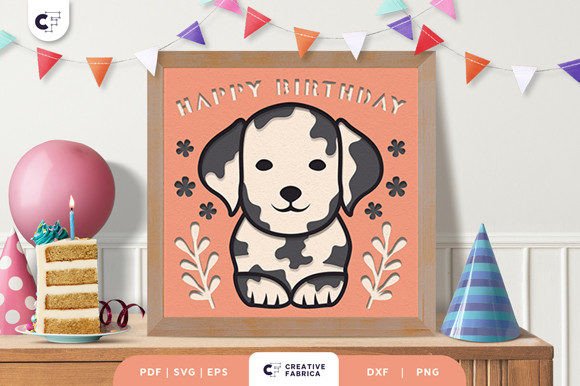
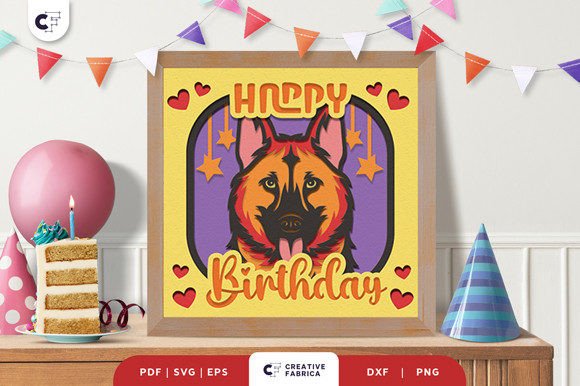
The first impression of the Birthday German Shepherd 3D Papercut SVG is one of intricate layering and depth. Originally intended for paper crafting, the design relies on negative space and stacked silhouettes to create a realistic portrait of a German Shepherd celebrating a birthday. For an embroidery digitizer or machine operator, this presents a unique challenge and opportunity. Unlike standard flat applique designs, this style mimics dimensionality through contrast and outline definition.
In my assessment, the visual personality of this design feels celebratory yet sophisticated. It avoids the overly cartoonish look often associated with pet themes, making it suitable for adult dog lovers and high-end personalized gifts. However, because it is derived from a 3D SVG format meant for cutting machines, you must verify that the embroidery file version has been properly digitized with appropriate underlay and pull compensation. Paper cuts rely on physical gaps; embroidery relies on stitch tension. If the conversion is poor, those delicate "paper" bridges will break or tunnel. When done correctly, though, the result is a textured, raised effect that looks far more expensive than a standard print.
Real-World Application: The Custom Sweatshirt Test
To truly judge the viability of this design, I mentally applied it to a current client request: a custom crewneck sweatshirt for a German Shepherd rescue fundraiser. This scenario tests the design’s limits regarding stitch density, fabric interaction, and commercial appeal.
For a sweatshirt embroidery project, the Birthday German Shepherd 3D Papercut SVG shines as a centerpiece. The layered nature of the design allows for excellent color blocking. You can utilize different thread colors to distinguish the dog’s fur layers from the birthday accents without relying on heavy fill stitches that make garments stiff. In this real-life case, I would recommend using a soft satin stitch for the outer borders and a lighter texture fill for the interior details. This maintains the drape of the sweatshirt while ensuring the German Shepherd’s features remain recognizable.
From a business perspective, this design adds significant value to Etsy listings or small shop products. Customers recognize the effort involved in multi-layered embroidery. It signals that you are offering a premium handmade product rather than a mass-produced item. For commercial embroidery businesses, this file serves as a strong portfolio piece because it demonstrates technical proficiency in handling complex, stylized artwork.
Critical Constraints and Fabric Considerations
While the design is versatile, it is not universally forgiving. Based on the intricacy typical of papercut styles, there are specific environments where you should proceed with caution.
- Small Hoop Sizes: Reducing this design below 4x4 inches is risky. The fine details required to define a German Shepherd’s face and the birthday elements will merge at smaller scales. Always check the minimum recommended size in your digital embroidery file metadata.
- Textured Fabrics: Avoid using this on terry cloth towels or thick fleece unless you use a water-soluble topping. The intricate lines characteristic of the Birthday German Shepherd 3D Papercut SVG will get lost in the pile, ruining the 3D illusion.
- Stretchy Knits: Because papercut styles often involve dense outlining to simulate layers, stabilizer choice is non-negotiable. On baby clothes or stretchy tees, use a cut-away stabilizer to prevent the design from distorting after washing. A floating method may be necessary to avoid hoop burn on delicate baby embroidery projects.
- Curved Surfaces: Caps and curved tote bags are difficult for multi-layer alignment. Unless you have a specialized cap frame and extensive experience with registration, stick to flat surfaces like pillow covers, flat tote bag designs, or framed wall art.
Designer Notes for Professional Results
Achieving a retail-ready finish requires more than just hooping and pressing start. Here are my practical notes for integrating this design into your workflow:
- Test Stitch on Scrap: Never run this design directly on a final product without a test. Use a scrap of the exact fabric and stabilizer combination you plan to sell. Check specifically for registration errors between the shadow layers.
- Contrast Check: The 3D effect depends entirely on contrast. Test thread colors in natural lighting. If stitching a black German Shepherd, ensure the background layers are significantly lighter, or use metallic threads for the birthday accents to create separation.
- Density Audit: Open the file in your editing software. If the stitch density exceeds 0.8mm for satin columns, consider reducing it or adding running stitch underlay to prevent fabric puckering.
- Mockup Validation: Before listing a new custom apparel item, create both light and dark background mockups. This helps you visualize if the design reads clearly against various shirt colors, which is crucial for online sales conversion.
- Licensing Verification: As a craft business owner, always confirm the license terms. Ensure you have the right to sell finished embroidered patches or apparel made from this file, especially if you operate on platforms with strict IP policies.
Enhancing Brand Value Through Technical Precision
The Birthday German Shepherd 3D Papercut SVG is more than just a seasonal graphic; it is a test of your production standards. When executed well, it elevates your brand’s perceived professionalism. Buyers trust sellers who deliver crisp, clean embroidery where details are sharp and fabrics remain soft. By treating this design asset with technical respect—adjusting tensions, selecting appropriate stabilizers, and respecting size limitations—you transform a digital download into a tangible, high-value product.
Whether you are creating a holiday gift for a fellow GSD enthusiast or expanding your boutique’s pet collection, this design offers a beautiful intersection of artistic style and embroidery potential. Just remember that the magic lies not in the file itself, but in your thoughtful application of it. Take the time to understand its structure, respect its limitations, and your finished projects will undoubtedly reflect the care and quality that handmade customers cherish.