Elm Mandala 3D Shadow Box: A Designer’s Review
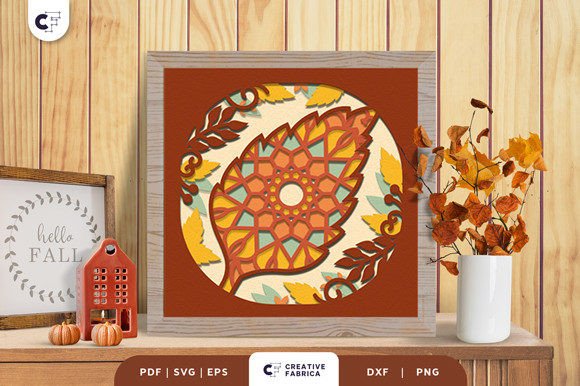
As a professional embroidery designer and product reviewer, I approach every new machine embroidery design with a critical eye. It is not enough for a file to simply look good on a screen; it must perform under the needle and result in a sellable or giftable item. When evaluating the Elm Mandala 3D Shadow Box, my first impression was one of sophisticated organic structure. This is not merely a generic floral pattern; it captures the specific, serrated elegance of an elm leaf arranged in a meditative mandala format. For those of us in the craft business or running an Etsy shop, this distinction matters. Customers are increasingly looking for botanical accuracy combined with artistic abstraction, and this design bridges that gap effectively.
The "3D" aspect of this title suggests depth and layering, which translates beautifully into embroidery when executed correctly. While the source file is a 3D SVG, translating this vector concept into stitches requires understanding how light interacts with thread. The layout feels balanced, avoiding the common pitfall of being too heavy on one side. Visually, it evokes a sense of calm and natural grounding, making it an ideal candidate for Fall collections where buyers seek warmth and organic textures without the cliché of pumpkins or scarecrows.
Real-World Application: The Custom Tote Bag Test
To truly judge the viability of the Elm Mandala 3D Shadow Box, I mentally placed it in a real-life production scenario: creating a premium canvas tote bag design for a boutique client wanting eco-friendly autumn merchandise. Tote bags present unique challenges because canvas has a distinct fabric texture that can swallow fine details, yet the bag needs to withstand daily wear.
In this application, the mandala’s radial symmetry works in your favor. Unlike linear designs that can distort if the fabric shifts, a centered mandala is forgiving regarding minor registration issues. However, because this design mimics a shadow box effect, the stitching sequence is paramount. I envision using a combination of fill stitch for the base layers to create opacity against the natural canvas, and strategic satin stitch borders to define the elm leaf segments. The contrast between matte fill and shiny satin creates the physical "shadow" depth that makes the design pop.
For a handmade product like this, the visual weight is perfect. It is substantial enough to justify a higher price point than a simple monogram but intricate enough to showcase craftsmanship. If you are an Etsy seller, this specific project type allows you to market the item as both a functional accessory and a piece of wearable art. The elm motif appeals to nature lovers, librarians, teachers, and botany enthusiasts, broadening your potential customer base beyond standard seasonal shoppers.
Technical Performance Across Different Substrates
A versatile embroidery file must adapt to various materials. Here is how I assess the Elm Mandala 3D Shadow Box across different categories:
- Sweatshirt Embroidery: Fleece and French terry are thick and prone to push-pull distortion. The mandala shape helps distribute tension evenly. However, ensure your stabilizer choice is robust. A cut-away stabilizer is non-negotiable here to prevent the design from sinking into the pile or warping after washing.
- Baby Embroidery: While the design is beautiful, caution is needed for infant items. The "shadow box" layering might create ridges that could irritate sensitive skin. If using this for a nursery pillow or blanket, consider flattening the 3D effect slightly or placing the design on a decorative border rather than a contact area.
- Holiday Embroidery: This design transitions seamlessly into holiday gifting. By shifting thread colors from traditional greens to deep burgundies, golds, or copper, the elm mandala transforms into a sophisticated festive accent that avoids looking tacky. It serves as an excellent alternative to religious iconography for secular personalized gift orders.
- Embroidered Patch: The contained circular nature of a mandala makes it an outstanding candidate for patches. The defined outer edge acts as a natural boundary for merrowing or satin edging, ensuring a clean finish for commercial embroidery runs.
Navigating Fabric Limitations and Hoop Constraints
Despite its versatility, the Elm Mandala 3D Shadow Box demands respect for technical limitations. As a reviewer, I must highlight where this design requires careful handling to avoid wasted materials and frustration.
Small Hoop Sizes: Do not attempt to shrink this design below its intended minimum size. Mandalas rely on precise alignment of multiple layers. Reducing the size compresses the stitch density, potentially causing thread breaks, needle deflection, or a bulletproof stiffness that ruins the drape of the garment. Always check the digitizer's recommended minimum dimensions before resizing.
Textured and Stretchy Fabrics: On pique knits or ribbed fabrics, the fine lines representing leaf veins may get lost. In these cases, the "shadow" effect relies entirely on color contrast rather than stitch relief. Test on scrap fabric first. For stretchy performance wear, the complexity of a multi-layer shadow box design might be too rigid. The lack of flexibility in dense mandala centers can cause the fabric to pucker permanently around the design area.
Dark vs. Light Backgrounds: The 3D shadow effect is most visible on medium-to-light fabrics where the darker thread shades can simulate depth. On black or navy fabric, the shadow nuances disappear unless you use high-sheen metallic or variegated threads to create separation. Always run a printable mockup or a digital simulation in black and white to verify that the value contrast holds up before committing to expensive dark garments.
Professional Notes for Makers and Sellers
Integrating the Elm Mandala 3D Shadow Box into your product line requires due diligence. Whether you are selling finished goods or digital embroidery files, professionalism builds trust.
- Verify Licensing: Before listing any finished product or reselling the file itself, confirm the specific license terms attached to this design. Commercial use rights vary significantly between designers.
- Test Stitch-Outs are Mandatory: Never assume a digital embroidery file will run perfectly on your specific machine and fabric combination. Run a test on the exact material you intend to sell. Check for jump stitch placement and trim commands.
- Thread Color Mapping: Document your successful thread combinations. Buyers often ask, "What colors did you use?" Having a standardized color chart for this mandala saves time and ensures brand consistency across your shop.
- Mockup Accuracy: When creating listings, use realistic mockups that show the texture of the embroidery. Flat digital renders do not convey the 3D shadow quality. Photographing a physical sample in natural light remains the gold standard for converting browsers into buyers.
- Stabilizer Selection: Treat stabilizer as part of the design system. For this layered mandala, floating the fabric with adhesive spray on a sturdy cut-away often yields better results than hooping tightly, which can distort the perfect circle geometry.
Elevating Product Value Through Design Choice
Ultimately, the Elm Mandala 3D Shadow Box succeeds because it offers more than just decoration; it offers perceived value. In a saturated market of custom apparel and small shop products, specificity wins. The intentional choice of an elm leaf over a generic shape signals attention to detail. The 3D shadow technique signals advanced craftsmanship.
For the creative entrepreneur, this design is a tool for differentiation. It fits the current aesthetic trend of "cottagecore" and biophilic design while remaining structured enough for modern tastes. By applying the practical considerations outlined above—respecting fabric limits, testing thoroughly, and marketing the unique botanical story—you transform a simple embroidery project into a signature offering. Whether used on a fall sweatshirt, a wedding gift pillow, or a branded tote, this mandala carries the weight of quality that discerning customers recognize and are willing to pay for.