Mardi Gras Carnaval 3D SVG: A Brand Design Review
First Impressions: Evaluating Festive Elegance for Local Business
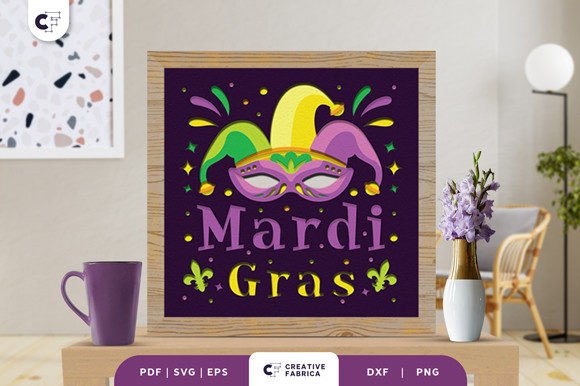
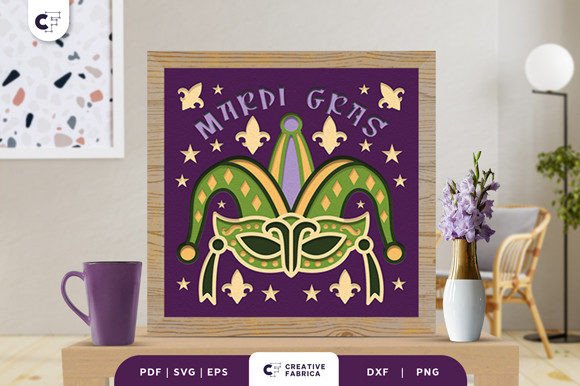
As a brand designer specializing in visual identities for local businesses, I approach every graphic design asset with a critical eye toward commercial viability. When reviewing the Mardi Gras Carnaval 3D Papercut SVG, my immediate assessment focuses on its dual nature. This is not merely a flat illustration; it is a layered composition that suggests depth, craftsmanship, and celebration. The mood it creates is distinctly festive yet refined, steering away from chaotic party aesthetics toward something more curated and boutique-friendly.
The combination of the iconic Jester character with an elegant party mask offers a sophisticated narrative. For a small business branding project, this asset signals a personality that is playful but polished. It feels handmade and artistic, making it particularly suitable for businesses that rely on tactile experiences. I can immediately envision this working for a specialty bakery creating seasonal king cakes, a handmade soap company launching a carnival-themed collection, or a local florist designing arrangements for parade season. It avoids the cheap plastic feel often associated with holiday graphics, instead offering a paper-craft aesthetic that aligns well with organic, artisanal, or premium commercial design.
Translating Shadow Box Layers into Packaging and Label Design
In practical application, the true value of this 3D SVG lies in its adaptability for physical touchpoints. For a recent conceptual project involving a gourmet confectionery, I evaluated how this asset could function across various packaging design elements. The layered papercut style translates exceptionally well to laser cutting and die-cutting machinery. If you are a maker using a Cricut or Silhouette, the separate layers allow you to create actual physical shadow boxes for window displays or premium gift box lids.
For product label applications, however, modification is key. The intricate details that make the 3D effect stunning can become muddy when scaled down to a two-inch sticker. In my review, I found that isolating specific elements—such as just the elegant mask or the jester’s hat—works better for small labels than forcing the entire composition. This selective usage maintains visual hierarchy, ensuring that essential product information like flavor profiles or ingredients remains legible. When used as a background texture or a border accent on a hang tag, the asset adds significant shelf appeal without overwhelming the consumer. It transforms a standard white label into a piece of editorial design that customers want to keep.
Elevating Seasonal Campaigns and Digital Storefronts
Beyond physical goods, this asset serves as a powerful anchor for social media graphics and web presence. During high-traffic seasons like Mardi Gras, local businesses must compete for attention in crowded digital feeds. The depth inherent in this 3D papercut style creates natural stopping power. When designing Instagram stories or Facebook ad creatives for a boutique, I utilized the separated layers to create parallax animations. This subtle movement brings the static Jester to life, increasing engagement rates significantly compared to flat clipart.
For web design, specifically hero banners on Shopify or Etsy shops, the asset provides a cohesive thematic frame. It allows business owners to signal "seasonal availability" instantly without redesigning their entire site. I recommend using the PNG version with transparency for digital overlays, while reserving the full SVG for scalable print materials like flyers, posters, and event signage. This versatility makes it a high-value addition to any creative entrepreneur's library of design assets. It bridges the gap between traditional folk art and modern digital marketing, helping brands feel current yet rooted in tradition.
Strategic Placement: Where the Asset Shines and Where to Pause
Through testing, I have identified specific environments where the Mardi Gras Carnaval 3D Papercut SVG performs best. It excels as a hero graphic for seasonal landing pages, a decorative element on thank-you cards, and a focal point for limited-edition packaging. It is also highly effective for product mockup presentations, allowing sellers to showcase how their items fit within a festive context before investing in expensive photography.
However, professional brand identity requires restraint. I would advise against using this asset in formal corporate branding or luxury minimalist contexts where clean negative space is paramount. It should also be avoided in areas requiring dense legal text or ingredient lists, as the decorative complexity can reduce readability. Furthermore, if your brand voice is strictly modern industrial or ultra-serious, the whimsical nature of the Jester may create cognitive dissonance. Always ask if the decoration supports the sale or distracts from it. In professional branding, clarity always trumps ornamentation.
A Designer’s Technical Checklist for Commercial Implementation
Before integrating this asset into a client project or your own business line, run through this practical evaluation checklist to ensure quality and compliance:
- Verify Commercial Licensing: Never assume usage rights. Confirm the commercial license explicitly covers physical product sales and digital marketing if you intend to sell items featuring this design.
- Test Vector Editability: Open the SVG in Illustrator or Inkscape. Ensure layers are properly grouped and named. Check that nodes are clean for laser cutting; jagged vectors will result in burnt edges on paper products.
- Assess Scalability: Print a test swatch at 100% size and at 25% size. Verify that fine details do not merge or disappear when printed on textured cardstock or kraft paper.
- Color Mode Validation: Check if the file is CMYK for print or RGB for screen. Convert appropriately to avoid dull colors on printable design outputs like menus or price lists.
- Typography Pairing: Test the asset beside your chosen fonts. The ornate nature of the Jester pairs best with simple sans-serif or classic serif typefaces. Avoid pairing it with overly complex script fonts, which will fight for visual dominance.
- Contrast Testing: Preview the design in grayscale. If the 3D effect relies solely on color rather than value contrast, it may fail on black-and-white receipts or photocopies.
- Competitor Analysis: Search local marketplaces to ensure no direct competitor is using this exact same digital product. Unique handmade business branding depends on differentiation.
Final Thoughts on Value for Creative Entrepreneurs
The Mardi Gras Carnaval 3D Papercut SVG represents more than just a seasonal decoration; it is a functional tool for storytelling. For local business owners, food vendors, and makers, it offers a shortcut to achieving a high-end, custom-illustrated look without the cost of hiring a bespoke illustrator. By treating this asset as a component of a larger marketing visuals strategy rather than a standalone clip-art paste, you can create modern design solutions that resonate emotionally with customers.
Whether you are designing a window display for a coffee shop or updating your Etsy banner for Fat Tuesday, remember that successful small business branding is about consistency and relevance. This asset provides the festive flair necessary for the season while maintaining the structural integrity required for professional application. Use it to enhance your narrative, respect the technical constraints of your medium, and always prioritize the customer's ability to read and connect with your brand message amidst the celebration.