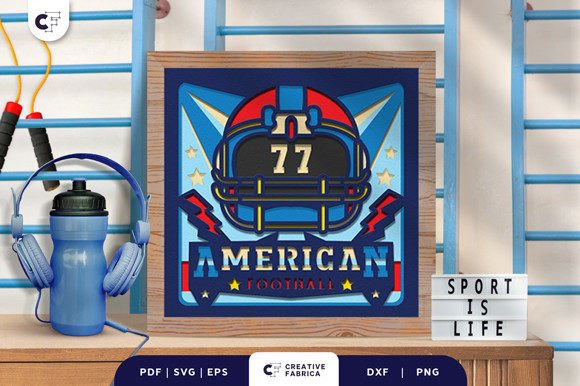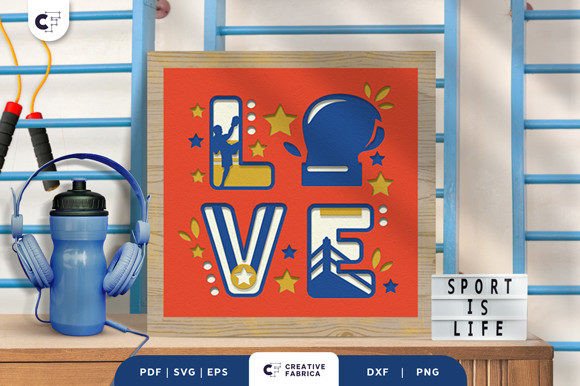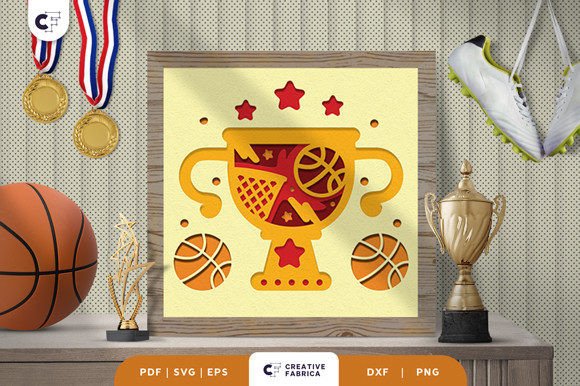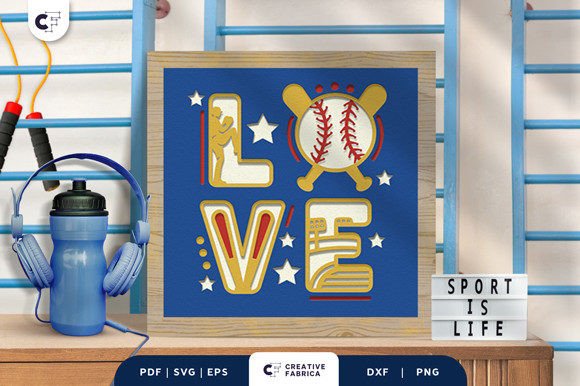
Soccer Game 3D Shadow Box Paper Cut SVG Review
As a designer who constantly bridges the gap between digital assets and tangible textiles, I approach every new file with a healthy dose of skepticism. When I first opened the Soccer Game 3D Shadow Box Paper Cut SVG, my immediate thought was about translation. This file is marketed as a paper cut design, which inherently relies on light, shadow, and physical layering to create depth. My primary evaluation criteria were not just about how pretty it looks on a screen, but whether that intricate, layered aesthetic can survive the transition into a machine embroidery design without losing its soul or causing production headaches.
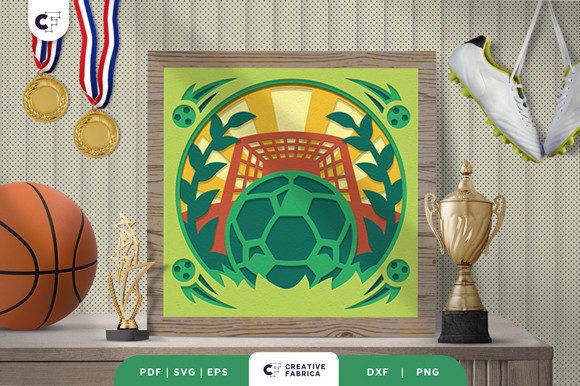
The visual personality of this Soccer Game 3D Shadow Box Paper Cut SVG is undeniably dynamic. It captures a perspective that makes the scene look active rather than static, which is exactly what sports enthusiasts want. For an Etsy seller or a craft business owner, this specific mood is valuable. It moves beyond generic clip art into something that feels curated and dimensional. However, translating a "paper cut" style into thread requires a keen eye for stitch density and structural integrity. A paper shadow box uses negative space; embroidery uses positive build-up. Understanding this distinction is the key to making this asset work for your shop.
Real-World Application: The Custom Sweatshirt Test
To truly evaluate this digital embroidery file, I mentally placed it in a real-life scenario: creating a premium sweatshirt embroidery piece for a youth soccer league fundraiser. This is a common request for small shop product lines during sports seasons. The goal was to create a personalized gift that felt high-end, not like a cheap iron-on transfer.
In this context, the Soccer Game 3D Shadow Box Paper Cut SVG shines as a centerpiece. Because the design mimics layers, it naturally lends itself to a mixed-media approach. Instead of stitching every single shadow layer, which would result in a bulletproof patch of dense thread, I envision using this file as a guide for combining fabric appliqué with traditional stitching. The foreground player elements could be rendered in tight satin stitch or fill stitch to pop against the background, while the deeper "shadow" layers could be actual fabric pieces tacked down with a running stitch. This hybrid technique preserves the 3D illusion of the original 3D SVG concept while keeping the garment wearable and soft.
For custom apparel, this design suggests movement. Unlike flat vector art, the implied depth draws the eye. If you are selling finished product items at craft fairs, this visual complexity justifies a higher price point because it looks engineered rather than simply stitched. Customers perceive value in dimensionality, and this file provides the blueprint for that perception.
Navigating Fabric Limitations and Hoop Constraints
While the aesthetic is strong, practical application requires caution. As an experienced reviewer, I must highlight where this embroidery project demands careful handling. The intricate nature of a shadow box style means there are likely many small, disconnected elements. On textured fabrics like terry cloth or heavy canvas, these fine details can get lost or sink into the weave.
I would advise against using this specific design on stretchy, thin performance wear unless you are extremely confident in your stabilization game. The tension required to hold the shape of a "paper cut" outline can distort lightweight knits. If you are planning a baby embroidery onesie or a lightweight summer tee, test the hoop size and stabilizer combination rigorously. You may need to simplify the outermost shadow layers to prevent puckering.
Furthermore, consider the fabric texture when selecting thread colors. The 3D effect relies entirely on contrast. If you stitch dark grey shadows on a black sweatshirt, the depth vanishes. This design performs best on light-to-medium backgrounds where the shadow layers can be distinctly visible. For dark fabric applications, you might need to invert the color logic or add a backing fabric layer to ensure the "cutout" effect reads clearly to the viewer.
Commercial Viability for Makers and Sellers
For those running a handmade product business, versatility is king. Does this Soccer Game 3D Shadow Box Paper Cut SVG offer enough ROI? Absolutely, provided you adapt it intelligently. Beyond apparel, this design is a strong candidate for an embroidered patch. Patches allow you to use heavy stabilizer and dense stitching without worrying about garment drape. You can maximize the detail level here, creating a collectible item for team bags or caps.
It also translates beautifully to home decor. Think tote bag design for soccer moms or sideline gear. Totes generally use sturdy canvas or cotton duck, which supports complex applique design work perfectly. The structured nature of a tote bag complements the structured, architectural feel of a shadow box graphic. Similarly, for holiday embroidery gifts, this could be adapted into a framed textile art piece, leaning fully into the paper-cut origin by mounting the stitched fabric in an actual shadow box frame.
From a marketing standpoint, this file is excellent for printable mockup creation. Even before you stitch a single test run, the clean lines and layered composition make for professional-looking digital previews. This helps gauge customer interest on social media or Etsy listings before committing to inventory. Just ensure your mockups accurately represent the final stitched texture to maintain buyer trust.
Essential Designer Notes Before Stitching
Before you load this embroidery file into your machine, please heed these practical warnings derived from years of digitizing and reviewing:
- Verify Licensing: Always confirm whether your purchase includes commercial rights for selling physical items or if it is strictly for personal use. Never assume a digital product allows for unlimited commercial embroidery sales without checking the specific terms.
- Test on Scrap First: Do not risk a $40 blank sweatshirt on the first run. Use a scrap of similar weight and weave to check registration marks and layer alignment.
- Check Small Details: Inspect the file in your editing software. Are there satin stitches thinner than 1mm? These may break or fray. Widen them or convert them to running stitches if necessary.
- Evaluate Stitch Density: Paper cut designs can sometimes be deceptively dense. Run a density check to ensure you aren't creating a stiff board on the chest of a shirt. Reduce fill density in shadow areas if possible.
- Color Contrast Planning: Print a black and white version of the design. If you cannot distinguish the layers in grayscale, your thread contrast is insufficient. Adjust values before threading up.
- Hoop Size Confirmation: Ensure the design fits your hoop with adequate margin for the presser foot. Resizing complex layered designs can distort alignment; stick to the native size or resize professionally.
Final Verdict on Design Assets
The Soccer Game 3D Shadow Box Paper Cut SVG is a sophisticated addition to any sports-themed library. It avoids the cartoonish trap of many athletic designs, offering instead a modern, artistic interpretation of the game. For the creative entrepreneur, it represents an opportunity to elevate standard merchandise into boutique-quality goods.
Success with this file lies in respecting its origins. It is a paper cut concept translated to digital format. Treat it with the same respect for layering and light that a paper artist would. Whether you are producing design assets for other makers or stitching a personalized gift for a dedicated fan, this design delivers impact when executed with technical mindfulness. It is not a "set it and forget it" file, but for those willing to engage with the process, the resulting handmade presentation is well worth the effort.